
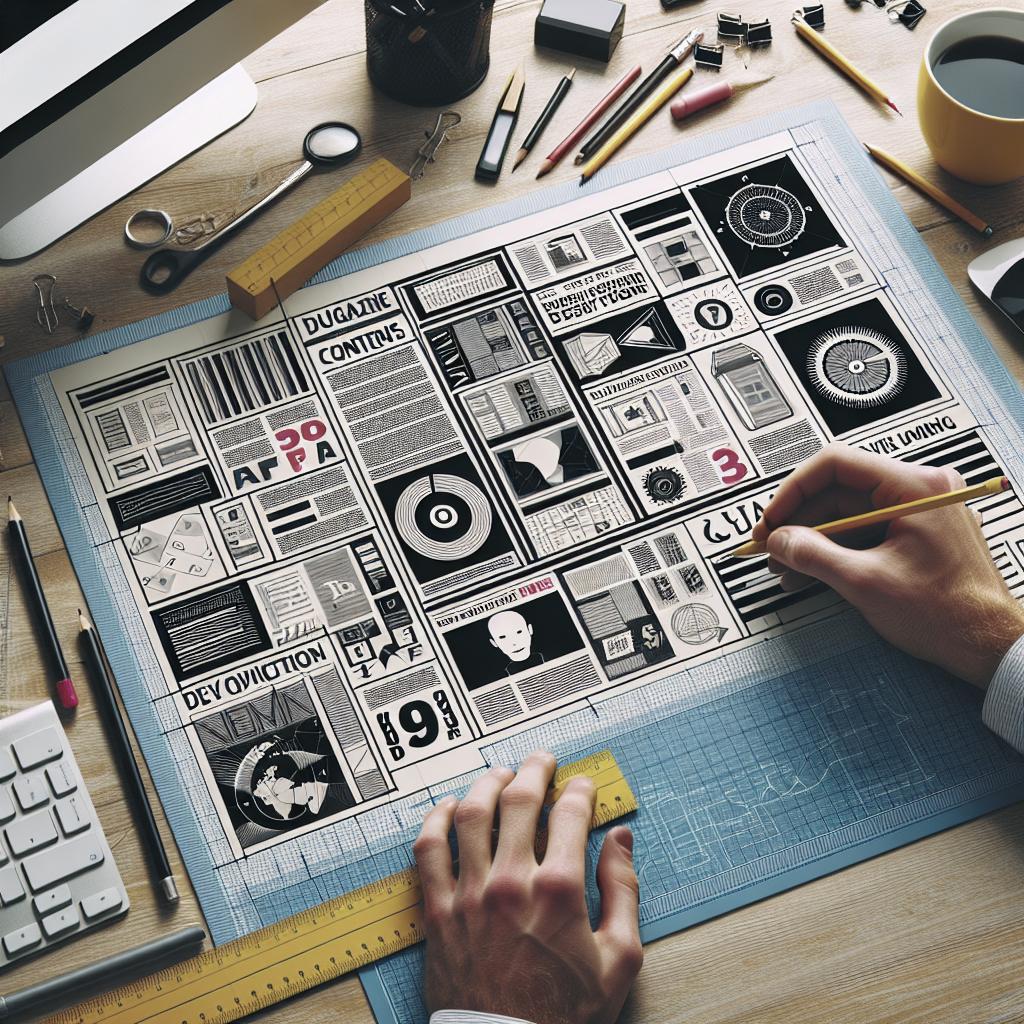
In the ever-evolving world of print and digital media, designing a stellar magazine contents spread is paramount to capturing readers’ interests and guiding them through their journey. Whether you’re a seasoned designer seeking fresh inspiration or a novice looking to break into the industry, the principles of good design remain constant. In this comprehensive guide, we will delve into home office inspirations for designers, essential tips for crafting high-impact magazines, and personal insights from an experienced instructor. Additionally, we’ll summarize the best magazine design tips and provide invaluable resources for further learning.
Home Office Inspiration for Designers!
Creating a conducive and inspiring environment is key to unleashing your creative potential as a designer. Start by choosing a quiet and well-lit space in your home, ideally near a window that provides natural light. Incorporate a comfortable chair and an ergonomically designed desk to maintain good posture during long working hours. Personal touches like potted plants, motivational wall art, and organized bookshelves can make your workspace feel inviting and reflective of your unique style. Consider also the importance of digital organization in your home office setup. A large monitor or dual-screen setup can significantly improve productivity, allowing you to view multiple design elements simultaneously. Software tools like Adobe Creative Cloud, Trello for project management, and Spotify for an inspiring playlist can create an efficient and motivating environment tailored to your workflow.
Watch 10 Tips for Designing High-Impact Magazines
1. Start with a Strong Cover : Your magazine’s cover is the first thing a reader sees. Ensure it is visually striking, with bold typography and captivating imagery that reflects the essence of the publication’s content. 2. Master the Art of Typography : Typography plays a crucial role in setting the tone and readability of your magazine. Experiment with fonts, sizes, and spacing to achieve a harmonious balance. Highlight key sections with different font styles to guide your reader’s eyes through the spread. 3. Leverage High-Quality Imagery : Invest in high-resolution photographs and graphics that complement your articles. Images should not only be aesthetically pleasing but also provide context and enhance the storytelling within your magazine. 4. Create a Consistent Layout : Consistency in design ensures that your magazine looks cohesive. Use grid systems and templates to keep the overall structure uniform while allowing some flexibility for creativity. 5. Engage with Interactive Elements : If you’re designing for a digital platform, include interactive elements such as hyperlinks, videos, and animations to make the reading experience more engaging. 6. Balance Text and Visuals : Avoid overwhelming readers with too much text or too many images on a single page. Strive for a balanced mix that allows content to breathe and be digested comfortably. 7. Use Color Wisely : Colors can evoke emotions and set the mood for your magazine. Develop a color palette that aligns with your brand identity and use it consistently throughout your magazine. 8. Prioritize Readability : No matter how beautiful your design is, if the content is hard to read, your audience will lose interest. Ensure that your text is legible, with a comfortable font size and clear contrast between text and background. 9. Incorporate White Space : White space, or negative space, helps to declutter your design and make your content stand out. Use it strategically to guide the reader’s attention and create a more relaxing reading experience. 10. Seek Feedback and Iterate : Design is an iterative process. Regularly seek feedback from peers or focus groups to refine your layouts. Be open to constructive criticism and make necessary adjustments to improve the final product.
About Your Instructor
Meet Jane Doe, an award-winning magazine designer with over 15 years of industry experience. Jane has worked with some of the world’s leading publications, bringing their visions to life through her innovative and captivating designs. Her expertise spans various genres, from lifestyle and fashion to technology and travel. Jane’s keen eye for detail and passion for storytelling through design have earned her accolades and a loyal following. Jane holds a degree in Graphic Design from the Pratt Institute, and she continually updates her knowledge through workshops and advanced courses. As an instructor, Jane emphasizes the importance of blending creativity with technical skills to produce high-quality magazines. Her teaching philosophy revolves around nurturing each designer’s unique voice while equipping them with practical tools and techniques. In her spare time, Jane enjoys traveling and seeking inspiration from different cultures, which she then incorporates into her design work. Her diverse experiences enrich her teachings, making her a well-rounded and insightful mentor for aspiring magazine designers.
Recap: Best 10 Magazine Tips
To ensure your magazine contents spread is impactful, remember these fundamental tips. Start with a strong, eye-catching cover that intrigues your reader. Master the art of typography to set the tone and enhance readability. High-quality imagery should be a priority, as it supports the written content and draws readers in visually. Maintain a consistent layout throughout your magazine to establish a coherent flow. For digital publications, incorporate interactive elements to engage your audience further. Balance text and visuals carefully to avoid overwhelming your readers and use color strategically to evoke the right emotions and support the brand identity. Above all, prioritize readability to retain your audience’s interest. Don’t forget the power of white space—utilize it to create a clean and inviting design. Finally, embrace the iterative nature of design by seeking feedback and continuously refining your work. These ten tips will guide you in creating a visually appealing and reader-friendly magazine contents spread.
Learn More Magazine With These Resources
For those eager to dive deeper into the art and science of magazine design, there are numerous resources available. Books such as “Layout Essentials” by Beth Tondreau and “Making Magazines” by Jeremy Leslie offer foundational knowledge and advanced techniques. They cover various aspects of magazine design, from conceptualizing layouts to choosing the right color schemes. Online platforms like Skillshare and Udemy host comprehensive courses on magazine design, often taught by industry professionals. These courses provide practical, hands-on learning experiences that can be invaluable for both beginners and seasoned designers. Websites such as Behance and Dribbble also serve as excellent sources of inspiration, showcasing the work of talented designers from around the world. Joining professional associations like The Society of Publication Designers can offer networking opportunities, access to exclusive workshops, and keep you updated on the latest industry trends. Subscribing to design journals and attending design conferences can also keep you at the forefront of this dynamic field.
| Section | Key Points |
|---|---|
| Home Office Inspiration for Designers! | Choose a well-lit space, ergonomic furniture, digital organization tools like dual screens and Adobe Creative Cloud. |
| Watch 10 Tips for Designing High-Impact Magazines | Strong cover, master typography, high-quality imagery, consistent layout, interactive elements, balance text and visuals, use color wisely, prioritize readability, incorporate white space, seek feedback and iterate. |
| About Your Instructor | Meet Jane Doe, award-winning designer with expertise in various genres, emphasis on blending creativity with technical skills. |
| Recap: Best 10 Magazine Tips | Summary of the ten essential tips for creating an impactful magazine contents spread. |
| Learn More Magazine With These Resources | Recommendation of books, online courses, design communities, and professional associations for further learning. |
By utilizing these insights and tools, you can elevate your magazine design skills and create content spreads that captivate and engage. Your journey toward mastering magazine design is just beginning, and with dedication and continued learning, the possibilities are endless.

