
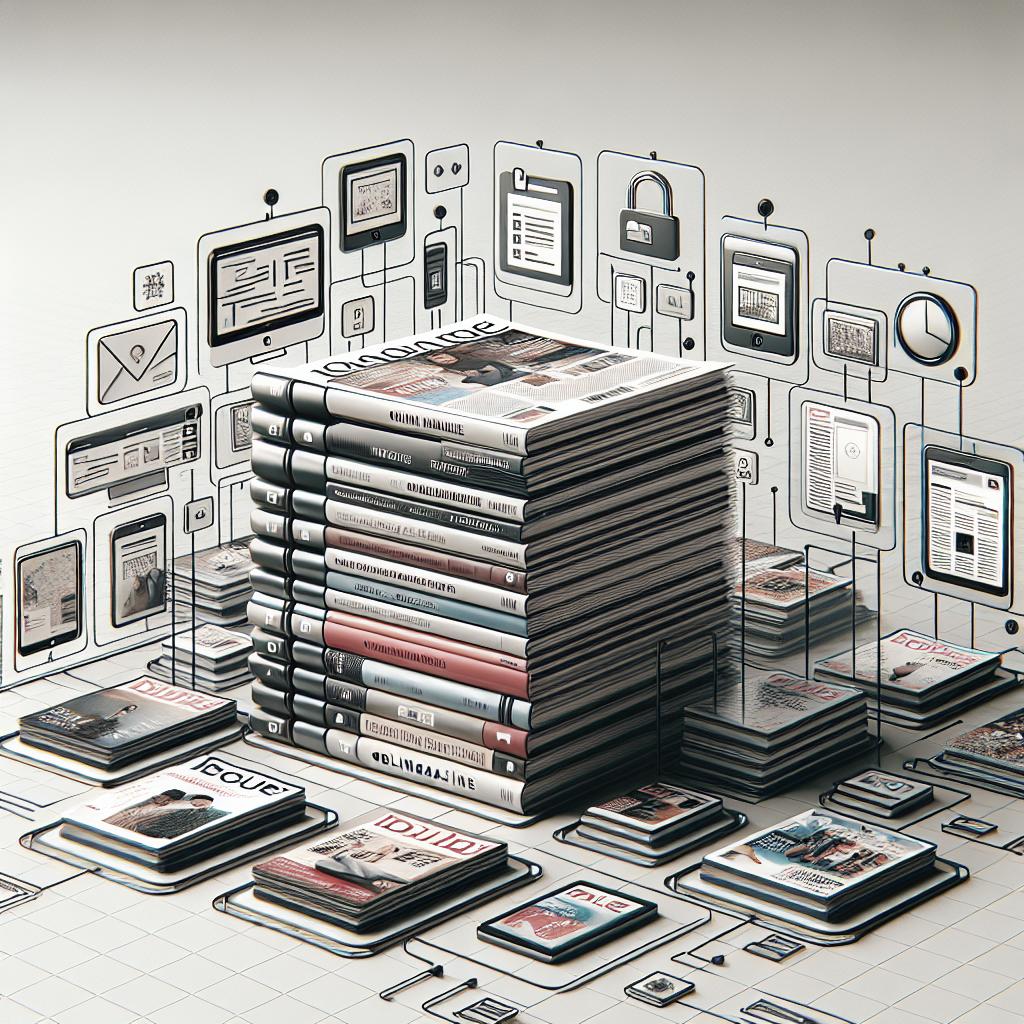
Creating an online magazine archive can be a transformative project for your content dissemination strategy. From preserving past editions to offering easy access to readers, a digital archive can elevate the accessibility and relevance of your publication. This post will guide you through the uses and types of online magazines, including PDFs and flipbooks, and discuss how to leverage apps and responsive online solutions. We’ll explore industries that benefit from online magazines and walk through the steps to create one, from identifying goals and budgeting to selecting platforms and crafting content plans. We’ll break down design elements, revenue models, and marketing strategies, while also emphasizing the importance of consulting industry experts. Let’s dive in to create an engaging and effective online magazine archive.
Common Uses for Online Magazines
Digital magazines are used for various purposes, including sharing knowledge, entertaining audiences, building brand awareness, or even driving sales. They easily facilitate wide and instantaneous distribution, allowing readers globally to access your content. With the added benefit of being eco-friendly, more businesses and individuals are shifting from print to digital. An online magazine can also serve as a valuable resource for educational institutions, providing a platform for articles, research, and scholarly work. Businesses can use them for newsletters, promotional material, and internal communications. The adaptability and versatility of digital magazines make them an excellent resource for a myriad of uses.
Common Types of Digital Magazines
The two predominant types of digital magazines are interactive flipbooks and traditional PDFs. Flipbooks offer an engaging, page-turning experience that mimics reading a physical magazine. They often include multimedia elements like videos, animations, and hyperlinks which can significantly enhance reader engagement. On the other hand, PDFs are straightforward digital replicas of the print version. While they lack the interactivity of flipbooks, they’re easily accessible and can be simpler to produce, making them an ideal format for straightforward document dissemination.
What Are the Differences Between a PDF and a Flipbook?
PDFs are static documents, preserving the layout and design of the print version. They are easy to share and accessible on various devices but offer limited interactivity. Users can scroll or jump to specific sections, but the linear and non-dynamic nature can be a bit lackluster compared to other options. Flipbooks, however, simulate the experience of reading a real magazine with virtual page-turning. They can integrate sound, video, and interactive links, providing a richer user experience. This enhanced interactivity makes flipbooks more engaging but often requires more resources and technical expertise to create.
When and How Should You Use Apps for Your Digital Magazine?
Creating an app for your digital magazine can further enhance user interaction and retention. Apps provide a dedicated environment where users can access your content more conveniently. They can also offer push notifications, offline reading options, and a more polished user interface, improving overall reader engagement. Apps are particularly useful for magazines with a loyal or subscription-based audience. To create an app, you will need to invest in a developer or a development platform. Ensure your app is available on multiple operating systems like iOS and Android to reach a wider audience.
What Is a Responsive Online Magazine Solution?
A responsive online magazine adapts its layout and content dynamically based on the user’s device, ensuring an optimal reading experience whether the reader is using a smartphone, tablet, or desktop computer. This technique involves flexible grids, images, and CSS media queries, ensuring your magazine looks great on all screen sizes. Responsive solutions are crucial in today’s multi-device world. They ensure that your content is accessible and user-friendly, which can help in retaining readers and reducing bounce rates. Focusing on a responsive design is a smart move and a wise investment for any digital magazine.
Industries That Benefit From Online Publications
Several industries stand to gain significantly from online magazines, including publishing, education, retail, and non-profits. For the publishing sector, digital magazines mean a broader distribution and reduced printing costs. Educational institutions can use them to share research, articles, and news with students and faculty. The retail industry can utilize online magazines as digital catalogs, showcasing products in a visually appealing way to boost sales. Non-profits can use digital magazines to share stories, impact reports, and updates, thus engaging with donors and stakeholders more effectively than traditional print formats.
10 Steps to Creating an Online Magazine
1. Identify the Goals of Your Digital Magazine
Before launching your digital magazine, it’s crucial to outline your primary objectives. Are you looking to educate your audience, entertain them, or drive more sales? Identifying your goals will help in tailoring your content and design to suit your readers’ expectations. Understanding and defining the magazine’s mission will also direct other decisions, such as budget allocation, content strategy, and design elements. Specific goals like increasing brand awareness, improving user engagement, or generating leads should be clear from the get-go.
2. Determine What Makes You Unique
Differentiation is key in the crowded digital landscape. Identify your unique selling points (USPs) and leverage them. Whether it’s exclusive content, unique design, or a specific niche, pinpointing what sets your magazine apart will drive readership and loyalty. Conducting market research can help you identify gaps that your magazine can fill. Creating reader personas and understanding your target audience’s needs and preferences will further enhance your magazine’s appeal.
3. Establish a Budget and Estimate Your ROI
Financial planning is crucial. Establishing a realistic budget involves forecasting costs associated with content creation, platform fees, marketing, and potentially app development. Estimate your potential Return on Investment (ROI) by examining how your digital magazine could generate revenue. Analyzing the costs and benefits can guide you in making informed decisions about resource allocation. A well-structured budget plan ensures you’re maximizing value while minimizing risks, making your project more feasible.
4. Identify the Best Platform
Choosing the right platform for your digital magazine is essential. Platforms like Issuu, MAG+, or Joomag offer various features, from interactive elements to analytics, which can elevate your magazine. Assess your needs and compare platforms to find the best fit. Evaluate the platform’s user-friendliness, customization options, and cost. The right platform should align with your magazine’s goals and audience preferences, offering the functionalities that best support your objectives.
5. Create a Content Plan
A solid content plan is the backbone of a successful digital magazine. Identify themes, topics, and scheduling plans that align with your magazine’s goals and audience interests. Organize a content calendar that outlines publication dates for articles, features, and multimedia components. Quality over quantity matters. Invest time in creating compelling, engaging, and well-researched content. Utilizing a mix of written articles, infographics, videos, and interactive elements can keep your readers engaged and coming back for more.
6. Decide on a Structure for Your Magazine
Determining the structure involves deciding on the number of sections, article lengths, and multimedia integration. Creating a logical and aesthetically pleasing layout is key. Employ design and navigation elements that make the user experience seamless. A clear and consistent structure will help readers navigate your content effortlessly. Experiment with layouts and solicit reader feedback to optimize the experience continually.
7. Choose Design Elements and Create a Brand Strategy
Your magazine’s visual appeal greatly impacts its attractiveness. Choose a color scheme, typography, and design elements that reflect your brand’s identity. Consistency in design elements fosters a professional and trustworthy image. Develop a brand strategy that includes your magazine’s mission, voice, and visual identity. Clear brand guidelines ensure that all editions maintain a cohesive look and feel, reinforcing your brand’s presence and values.
8. Consider Some Common Magazine Revenue Models
Subscription Model
The subscription model involves offering your readers regular content for a fee. This recurring revenue stream can be a stable source of income. Offering exclusive content to subscribers can encourage more sign-ups.
Advertising Model
Incorporating advertisements is another common revenue model. Ensure that ads are relevant to your audience and strategically placed to avoid disrupting the reading experience. Partnering with brands aligned with your reader demographics enhances ad effectiveness.
Paywalls
A paywall restricts access to certain content, requiring payment to view. This model works well if you offer premium or exclusive content. Balancing free and paid content effectively can entice casual readers to become paying customers.
Magazines as Lead Generation
Using your digital magazine as a lead generation tool means incorporating elements like gated content, which requires readers to provide contact information. These leads can be nurtured for future sales of products or services.
9. Create a Digital Marketing Strategy
A robust marketing strategy is vital for attracting and retaining readers. Utilize SEO tactics, social media marketing, email campaigns, and content marketing to promote your magazine. Leverage data analytics to track performance and adjust your strategies accordingly. Collaborate with influencers, participate in forums, and use paid ads strategically to expand your reach. Implementing a mix of inbound and outbound marketing techniques ensures a broader audience engagement.
10. Talk to an Industry Expert
Consulting an industry expert can provide valuable insights and guidance. An expert can advise on best practices, potential pitfalls, and emerging trends, ensuring that your magazine launch is smooth and successful. Seek advice from professionals who have experience with digital publications. Their expertise can be invaluable for troubleshooting issues and optimizing your strategy for maximum impact.
Share this:
The process of creating an online magazine may seem complex, but with meticulous planning and execution, it can be a rewarding endeavor. To help summarize, here’s a concise table encapsulating the key points discussed: “`html
| Step | Description |
|---|---|
| Identify goals | Define and understand the primary objectives of your magazine |
| Determine uniqueness | Identify what sets your magazine apart |
| Establish budget & ROI | Plan financial aspects and estimate return on investment |
| Identify platform | Choose the best platform that suits your needs |
| Create content plan | Develop a schedule and strategy for content creation |
| Define structure | Decide the layout and navigational elements |
| Design elements & brand | Choose visuals that align with your brand strategy |
| Revenue models | Consider subscription, advertising, paywalls, or lead generation |
| Marketing strategy | Use various marketing tactics to attract and retain readers |
| Consult experts | Seek advice from industry professionals to refine your approach |
“` Invest time and effort into each of these steps to ensure your online magazine not only gets off the ground but also thrives in the competitive digital landscape.

